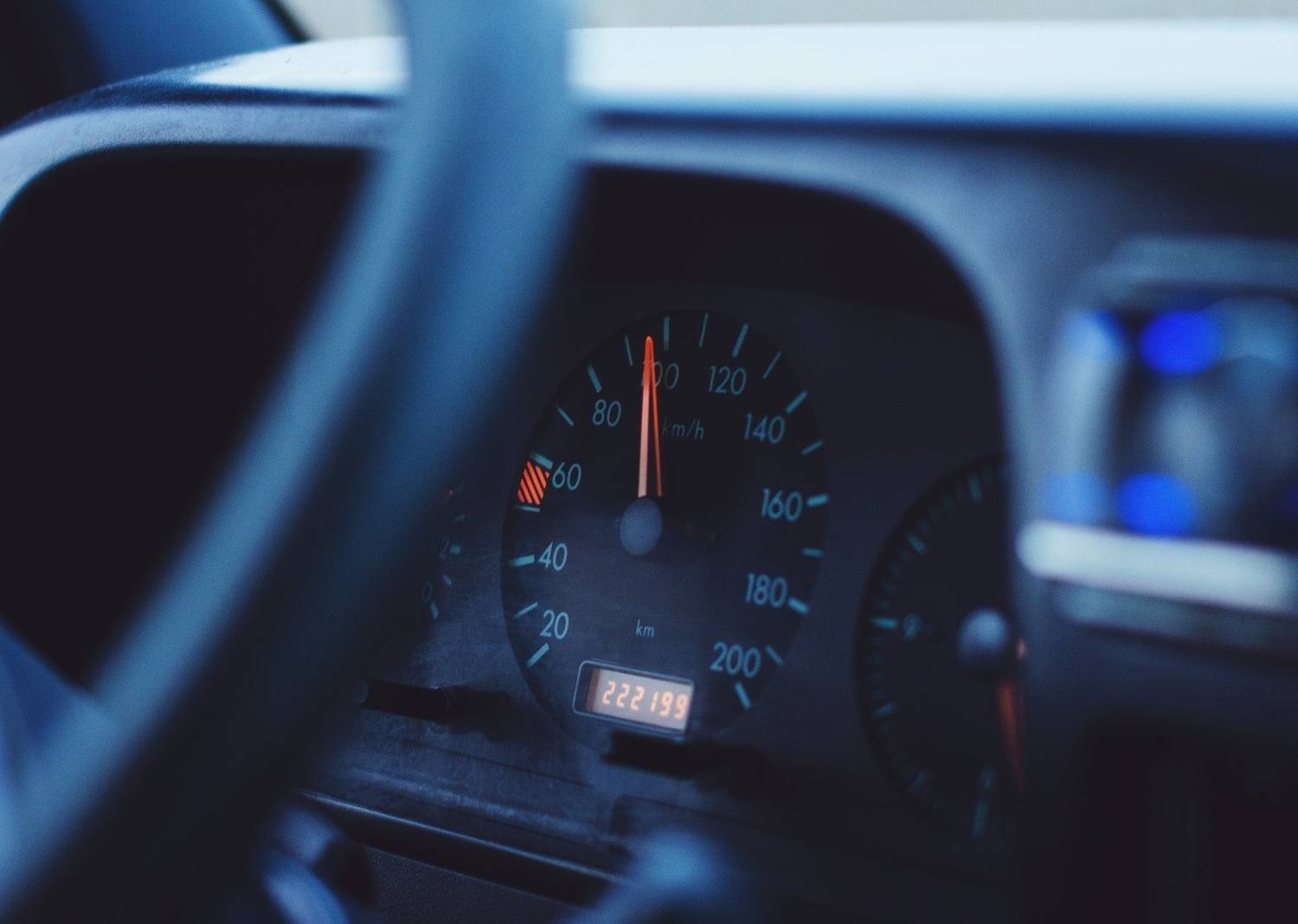
Picture this: You’re sitting at a gas pump, watching the numbers climb, and thinking—there has to be a better way. Sound familiar? You’re definitely not alone. In today’s world, where fuel prices seem to change by the hour and your wallet feels lighter every week, maximizing your mileage isn’t just a smart move—it’s essential.
But here’s the good news: you don’t need to trade in your car or make drastic changes. Small, intentional adjustments can make a real difference in how far your vehicle travels on every gallon of gas. Whether you’re someone who commutes the same route every day or you love taking spontaneous road trips, the strategies in this guide will help you stretch every gallon and keep more money in your pocket.
Ready to become a fuel-efficiency expert? Use our free MPG calculator to track your progress as you implement these strategies. Let’s dive in!
Understanding Miles Per Gallon (MPG): The Basics Made Simple
Let’s start with the fundamentals. Miles Per Gallon, or MPG as most people call it, is simply a measure of how far your car can travel using just one gallon of fuel. It’s like asking, “How many miles can I drive before I need to refill?”
Think of it this way: if your car gets 25 MPG, that means for every gallon of gas you burn, you can travel 25 miles. If another car gets 35 MPG, it can travel 35 miles on the same gallon. The second car is clearly more efficient with fuel.
But why does this matter to you?
A higher MPG means you’re spending less money on gas. Over a month or a year, these differences add up dramatically. For someone driving 15,000 miles annually:
- At 20 MPG, you’d need 750 gallons (costing around $2,250 at $3/gallon)
- At 30 MPG, you’d need only 500 gallons (costing around $1,500)
- That’s a $750 annual savings just from better fuel efficiency!
Beyond your wallet, better fuel economy also means you’re reducing emissions and helping the environment. Every gallon of fuel saved means less carbon dioxide in the atmosphere.
So how do you calculate your own MPG? It’s actually simpler than you’d think. Fill up your gas tank completely, note your odometer reading, drive as normal, and when you refill, record your new odometer reading. Subtract the first number from the second—that’s your miles driven. Divide those miles by the number of gallons it took to refill, and boom—you have your MPG for that period.
For example: You drive 300 miles and use 10 gallons. That’s 300 ÷ 10 = 30 MPG.
Of course, manual calculations can be tedious and error-prone. This is where an MPG calculator becomes invaluable. Instead of doing the math manually each time, simply enter your miles driven and gallons used into our MPG calculator, and it instantly shows your exact fuel efficiency. Tracking your fuel economy regularly using an mpg calculator helps you spot problems early—like if your efficiency suddenly drops, it could signal a maintenance issue that needs attention.
Factors Affecting Your Car’s MPG: What You Need to Know
Now that you understand what MPG is, let’s explore why some cars get better mileage than others. The truth is, fuel economy isn’t determined by one factor—it’s a combination of several elements working together.
Your Vehicle Type Matters More Than You Think
Have you ever noticed how some cars breeze through traffic while others seem to guzzle gas? That’s largely because of the vehicle’s design. Lightweight, compact cars with smaller engines naturally achieve better fuel economy. That’s just physics—less mass to move around, less energy needed. Conversely, large SUVs and pickup trucks carry more weight and have bigger engines, so they naturally consume more fuel.
But here’s something interesting: modern hybrid and electric vehicles are designed with fuel efficiency as their primary goal. They combine traditional engines with electric motors, allowing them to switch between power sources intelligently. Want to compare different vehicles? An mpg calculator helps you understand the actual fuel cost differences between a hybrid and a gas-only vehicle over time.
Where and How You Drive Changes Everything
Driving on the highway versus driving in the city creates completely different fuel consumption patterns. Highway driving typically gives you better MPG because you’re maintaining consistent speeds with minimal stopping. Your engine settles into an efficient rhythm, and there’s no wasted fuel from acceleration and braking.
City driving is a different story. Stop-and-go traffic means constant acceleration and braking, which demands more fuel. Every time you press the gas pedal hard, your engine works harder. If you drive predominantly in cities, expect your MPG to be 20-30% lower than highway numbers. This is why using an MPG calculator to track your city trips separately from highway trips is so revealing. Most people are shocked when their calculator shows the actual difference, and it becomes a powerful motivator to optimize driving habits.
Environmental Conditions Affect Your Fuel Economy
Weather might seem like a minor factor, but it genuinely impacts your fuel economy. Cold weather is particularly demanding on efficiency. When temperatures drop, your engine takes longer to warm up to its optimal operating temperature. Until it does, it runs less efficiently. Additionally, in winter, you’re likely using the heater and defrosters, which add extra load to the engine.
Hot weather creates its own challenges—you’re running air conditioning, which puts significant strain on the engine and reduces efficiency. The aerodynamic impact matters too; at highway speeds, an open window increases drag, making your engine work harder.
Your Driving Habits—The Game Changer
Here’s what most people don’t realize: your driving habits often have a bigger impact on MPG than your vehicle type. Two people driving the same car can see dramatically different fuel economy based on how they drive.
Aggressive driving—rapid acceleration, speeding, hard braking—can reduce your fuel efficiency by 15-30%. Conversely, smooth, anticipatory driving can improve it significantly. If you drive 50,000 miles per year and change your habits to save just 3 MPG, that’s potentially 500 gallons saved annually. Use an mpg calculator to measure these improvements monthly, and you’ll be motivated to maintain good driving habits.
Essential Maintenance Tips: Keep Your Engine Happy and Efficient
Your car is like your body—regular maintenance keeps it running optimally. Neglect it, and everything gets harder and less efficient.
Tune Up Your Engine Regularly
According to the U.S. Department of Energy, if you fix a serious maintenance issue like a faulty oxygen sensor, you could improve your fuel efficiency by up to 40%. That’s not a small number. That’s transformational.
Here’s what happens: when your engine isn’t properly tuned, sensors don’t read accurately, injectors don’t spray the right amount of fuel, and your engine compensates by using more fuel to maintain power. It’s like trying to run while wearing heavy boots—you’re exerting more effort for the same result.
Regular oil changes are fundamental. Clean, quality oil reduces friction in your engine, allowing it to operate smoothly. Using the manufacturer’s recommended oil grade is crucial—using thicker oil than needed increases friction, which increases fuel consumption.
Air filters might seem minor, but they’re essential. A clogged air filter restricts the oxygen your engine needs, causing it to run rich (using more fuel). Replacing air filters every 15,000-30,000 miles keeps your engine breathing properly. After maintenance, use your mpg calculator to verify if your efficiency has improved.
Clean Your Fuel System
Over time, deposits build up in your fuel injectors, reducing their spray pattern and efficiency. This leads to incomplete combustion and wasted fuel. Using a quality fuel injector cleaner every 3,000-5,000 miles keeps your system clean. It’s an inexpensive prevention against expensive problems.
Spark plugs are another often-overlooked component. Worn spark plugs misfire, meaning fuel doesn’t combust completely. Regular replacement according to your vehicle’s maintenance schedule ensures complete, efficient combustion.
Don’t Forget Wheel Alignment and Balance
When your wheels are misaligned, they create drag—it’s like trying to steer a shopping cart with a bent wheel. The engine works harder to maintain speed. Getting a wheel alignment every 10,000-15,000 miles is preventative maintenance that pays for itself in fuel savings.
Unbalanced tires create vibrations and uneven wear patterns, which increase rolling resistance. Rotating tires every 5,000-8,000 miles and balancing them ensures even wear and optimal efficiency. Many people track their fuel economy before and after alignment work using an mpg calculator and are amazed by the improvement.
If you’re serious about fuel efficiency, these maintenance steps should be non-negotiable. Think of them as investments—small costs now prevent bigger problems and inefficiencies later.
Driving Habits That Improve MPG: The Practical Revolution
Here’s the exciting part: you can improve your fuel economy starting today, right now, with no modifications to your vehicle. Just by changing how you drive.
Master the Art of Smooth Acceleration
Your right foot is either your best friend or your worst enemy when it comes to fuel economy. Aggressive acceleration—jackrabbit starts at traffic lights—is one of the quickest ways to destroy your MPG. Each hard acceleration is like throwing money out the window.
Instead, accelerate smoothly. Imagine you have an egg between your foot and the gas pedal, and you don’t want to break it. This smooth acceleration keeps your engine in its optimal efficiency zone. You’ll actually reach your destination nearly as fast while using significantly less fuel. Track your improvements with an MPG calculator to see how much smoother driving helps.
Maintain Consistent Speed—Cruise Control is Your Friend
On highways, maintaining a steady speed is crucial. Every time you accelerate and decelerate, you’re wasting fuel. Most vehicles achieve their best fuel economy between 45-65 mph. Driving faster than 65 mph dramatically reduces efficiency due to increased aerodynamic drag—every 5 mph over 50 mph is like paying 10% more for fuel.
This is why cruise control is such a game-changer on long drives. It maintains a steady speed without the micro-adjustments your foot would naturally make. Over a 500-mile road trip, cruise control can save you a full gallon of gas or more. Use your mpg calculator before and after a cruise-control trip to measure the savings.
Eliminate Unnecessary Idling
Here’s a startling fact: when your car is idling, you’re getting exactly zero miles per gallon. You’re burning fuel without moving. If you’re stuck in traffic or waiting for someone, every minute of idling is wasted fuel.
Modern engines are designed to handle frequent restarts without wear. If you expect to be stopped for more than a minute or two, turning off the engine and restarting it is more fuel-efficient than letting it idle. Some modern cars even do this automatically with start-stop technology.
Think about it: if you avoid 10 minutes of unnecessary idling daily, over a month that’s hours of wasted fuel. Over a year? It adds up to gallons saved. An MPG calculator will help you measure this impact.
Reduce Air Conditioning Usage Strategically
Air conditioning puts a real load on your engine, sometimes increasing fuel consumption by 10-20%. But this doesn’t mean you should suffer in the summer heat. Instead, be strategic.
At lower speeds, open the windows and use air vents. The air resistance isn’t significant enough to negate the air conditioning load. But at highway speeds (above 50 mph), open windows actually create more drag than air conditioning. At that point, keep windows closed and use the AC.
On cooler days, use the fresh air button instead of recirculating cabin air—it requires less compressor work. These small decisions, made repeatedly, contribute noticeably to better efficiency.
The Role of Tires: Don’t Overlook These Round Wonders
Your tires are where your car meets the road, and they have an enormous impact on fuel efficiency—yet many people ignore them completely.
Tire Pressure: The Most Overlooked Fuel Saver
Here’s something backed by science: underinflated tires can reduce your fuel efficiency by 3-5%. This happens because soft tires have more rolling resistance—your engine has to work harder to keep them moving.
Checking your tire pressure monthly is one of the easiest, most impactful fuel-saving habits you can adopt. Most vehicles need 30-35 PSI (pounds per square inch), but check your manufacturer’s recommendation—it’s usually on a sticker inside your driver’s door or in your owner’s manual.
Here’s a practical tip: check tire pressure when the tires are cold (before driving), as hot tires read higher. And here’s why this matters: for someone driving 12,000 miles annually at $3 per gallon, maintaining proper tire pressure could save $30-50 per year. If you have two vehicles, that’s $60-100 in annual savings from something that takes 5 minutes per month. Your mpg calculator will show these savings clearly over time.
Choose Fuel-Efficient Tires
Not all tires are created equal. Low rolling resistance tires are specifically engineered to reduce the energy lost as the tire flexes and rolls. They feature special tread patterns and rubber compounds that minimize friction while maintaining traction.
Yes, these tires cost more upfront—sometimes $100-200 more per set. But if they improve your MPG by 2-3%, they pay for themselves in fuel savings within a year or two. Plus, they last longer and wear more evenly, saving you money on replacements. When you use an MPG calculator to track your fuel consumption before and after switching to quality, fuel-efficient tires, the numbers speak for themselves.
Maintain Your Tires Properly
Regular rotation (every 5,000-8,000 miles) ensures even wear. Uneven wear increases rolling resistance and reduces fuel efficiency. Balancing your tires prevents vibrations that rob you of efficiency.
Think of your tires as the foundation of your fuel economy—neglect them, and everything else becomes harder.
Upgrading Your Car for Better MPG: The Investment Option
If you’re willing to invest in upgrades, several modifications can meaningfully improve fuel efficiency.
Engine and Transmission Upgrades
Modern fuel-efficient engines use technologies like turbocharging and direct fuel injection to maximize power while minimizing fuel consumption. If you’re considering a new car, these features are worth paying extra for—they’ll save you money for years. Compare different vehicles using an mpg calculator to see long-term savings potential.
Similarly, vehicles with more gear ratios (8-speed automatics or continuously variable transmissions) keep your engine in its most efficient RPM range. This might sound technical, but the practical result is better fuel economy across all driving conditions.
Aerodynamic Improvements
Air resistance increases exponentially at higher speeds. A sleek aerodynamic body kit—including front and rear spoilers, side skirts, and underbody panels—reduces drag significantly. For someone doing lots of highway driving, these can provide noticeable improvements.
Lightweight materials matter too. Every pound of weight requires additional energy to move. This is why high-performance cars use carbon fiber and aluminum—they reduce weight while maintaining strength. For every 100 pounds of excess weight, you lose about 1-2% fuel efficiency.
Low Rolling Resistance Tires
As mentioned earlier, these specialized tires are one of the best upgrades for fuel efficiency. Unlike regular tires, they’re engineered from the ground up to reduce energy loss. For highway drivers especially, these represent excellent value.
Fuel Types and Their Impact on MPG Calculator: Make Informed Choices
Gasoline: Understanding Octane Ratings
Gas comes in regular, mid-grade, and premium, with different octane ratings. Here’s what most people get wrong: premium gas doesn’t make your car more fuel-efficient unless your vehicle specifically requires it. Most cars run perfectly on regular gas.
Using premium when your manual says regular is like putting expensive fuel in your tank for no benefit—it’s just expensive. Follow your manufacturer’s recommendation. If they say regular, save the money.
Diesel: The Efficiency Champion
Diesel engines are inherently more efficient than gasoline engines, sometimes achieving 20-30% better fuel economy. This is because diesel fuel contains more energy per gallon and diesel engines operate at higher compression ratios.
The tradeoff? Diesel fuel often costs more, and diesel vehicles have higher upfront costs. But for high-mileage drivers, the long-term savings often justify the initial investment. Use an mpg calculator to compare diesel versus gasoline vehicles over 5-10 years, and you might find that diesel wins the fuel cost battle.
Alternative Fuels: The Future
Electric vehicles (EVs) eliminate gasoline entirely, offering extremely low operating costs. However, charging infrastructure and range limitations still matter. Hybrids combine both engines intelligently, offering a middle ground—better efficiency than pure gasoline without the charging concerns of EVs.
CNG (compressed natural gas) vehicles are cleaner and cheaper to operate, though they’re less common and the infrastructure is limited.
The key is understanding your driving patterns and choosing accordingly. For city commuting, an EV might be perfect. For highway travel, a diesel or hybrid might make more sense.
Technology and Tools: Monitor, Track, Optimize
Your Car’s Built-In Trip Computer
Most modern vehicles have an onboard trip computer that displays real-time fuel consumption and average MPG. Pay attention to these numbers—they’re incredibly valuable feedback. If you notice your MPG dropping during certain driving conditions, you know exactly what to adjust.
Our Free MPG Calculator: Your Personal Fuel Tracker
Beyond your car’s computer, our MPG calculator gives you detailed tracking over time. Enter your miles driven and gallons consumed, and get instant results. But more importantly, track this data weekly or monthly. You’ll see trends—which routes are most efficient, how weather affects your fuel consumption, and the impact of different driving habits.
This data becomes a powerful motivation. Seeing your fuel economy improve from 24 to 26 to 28 over three months isn’t just a number—it’s validation that your efforts are working. It’s tangible proof that you’re saving money. Our simple MPG calculator interface makes tracking effortless, and the results are immediate and accurate.
OBD-II Scanners and Apps
An OBD-II scanner plugs into your car’s diagnostic port and reveals detailed engine data through a smartphone app. You can see real-time fuel consumption, acceleration data, and even identify potential maintenance issues before they become problems. Some apps gamify driving efficiency, challenging you to beat your previous scores.
For the tech-savvy, these tools offer in-depth insights into your vehicle’s performance, helping you pinpoint exactly where you’re losing efficiency.
Common Myths About Fuel Efficiency: Separate Fact from Fiction
Myth #1: Warm Up Your Car Before Driving
This is completely wrong—and it’s costing people money. Modern engines warm up faster when driving than when sitting idle. If anything, idling your car before driving reduces efficiency. Start your engine, drive gently for the first few minutes, and let the engine warm up while moving. Your wallet will thank you.
Myth #2: Premium Gas Always Performs Better
This is a trap that wastes thousands of dollars annually for millions of drivers. Unless your owner’s manual specifically calls for premium, using it provides zero benefit for fuel economy. It’s paying extra for nothing.
Myth #3: Open Windows Always Improve Efficiency
Open windows at low speeds? Good idea. Open windows at highway speeds? Bad idea. The aerodynamic drag from open windows at high speeds actually increases fuel consumption more than air conditioning. This is why highway drivers should close windows and use AC, while city drivers can open windows and save AC energy.
Myth #4: Bigger Tires Don’t Affect MPG
Wrong. Larger tires have greater rolling resistance, reducing fuel efficiency. If you upgrade tire size from factory specs, expect lower MPG.
Myth #5: It Takes More Fuel to Restart Your Engine
This is one of the most persistent myths, and it’s false. Modern engines use more fuel warming up than restarting. If you’re stopped for more than a minute, restarting your engine is more efficient than idling. Period.
Your Roadmap to Better Fuel Efficiency
Achieving optimal fuel economy isn’t complicated. It requires a combination of:
- Regular maintenance (keeping your engine tuned, tires inflated, filters clean)
- Smart driving (smooth acceleration, steady speeds, avoiding idling)
- Informed choices (choosing fuel-efficient vehicles, quality tires, appropriate fuel grades)
- Constant monitoring (tracking your fuel consumption to identify patterns and improvements)
The beautiful part? You don’t need to do everything at once. Start with one or two changes. Once they become habits, add more. Small improvements compound over time into significant fuel and money savings.
Some people see 10-20% improvements in their fuel economy by implementing these strategies. That could mean saving $1,000-3,000 annually depending on your driving habits and fuel prices.
Start Your Fuel Efficiency Journey Today
Maximizing your car’s fuel economy is more than a money-saving hack—it’s about being intentional with your resources, protecting the environment, and proving to yourself that small, consistent changes can lead to meaningful results.
Don’t know exactly where you stand with your current fuel efficiency? Start tracking today with our free MPG calculator. Simply enter how many miles you’ve driven since your last fill-up and how many gallons it took to refill. Our calculator instantly shows your current efficiency and helps you set realistic improvement goals.
Then, starting next week, pick one habit from this guide to implement. Maybe it’s maintaining proper tire pressure. Maybe it’s using cruise control on highways. Maybe it’s smoother acceleration. One small change. Track your progress with your MPG calculator monthly.
Within two to three months, you’ll notice improvement. Your gas light won’t come on as quickly. Your monthly fuel budget will shrink. And you’ll feel the satisfaction of mastering something practical that saves money and helps the planet.
Ready to optimize your fuel economy today? Get started with our free MPG calculator at Calculator Central. No registration, no hidden charges, no complications—just accurate, instant fuel efficiency tracking to help you drive smarter and save more.
Join thousands of drivers who’ve already discovered how much money they waste on fuel. Calculate your current fuel economy today. See the real numbers. Set improvement goals. Track progress weekly. Your wallet will thank you.
FAQ Section
What is an MPG calculator?
An MPG calculator helps you calculate your vehicle’s fuel efficiency by dividing the miles driven by the gallons of fuel used.
How do I calculate miles per gallon (MPG)?
To calculate MPG, divide the total miles driven by the total gallons of gas consumed.
Formula: Miles ÷ Gallons = MPG
How many miles does 1 gallon of gas get you?
The number of miles one gallon of gas gets you depends on your vehicle, driving habits, and road conditions. An MPG calculator gives an exact answer based on your data.
What information do I need to use an MPG calculator?
You only need two values:
- Miles driven
- Gallons of fuel used
Is MPG the same as mileage?
Yes, MPG (miles per gallon) is commonly referred to as vehicle mileage in many regions.
Why is my MPG lower than expected?
Low MPG can be caused by heavy traffic, aggressive driving, poor vehicle maintenance, low tire pressure, or carrying excess weight.
Can this MPG calculator be used for cars, bikes, and trucks?
Yes, this MPG calculator works for cars, motorcycles, trucks, and any vehicle that uses fuel measured in gallons.
How accurate is an online MPG calculator?
An online MPG calculator is highly accurate as long as the miles driven and gallons used are entered correctly.
Does higher MPG mean better fuel efficiency?
Yes, a higher MPG value means your vehicle travels more miles using less fuel, which indicates better fuel efficiency.
Can I calculate MPG for long trips?
Yes, MPG calculators are ideal for long trips as they provide a clear picture of average fuel efficiency over distance.