
Body Mass Index Calculator (BMI) functions as one of the most common measurement systems which evaluates a person’s weight within appropriate health boundaries. Digital tools along with calculators have made the body mass index visualizer a practical instrument that displays body composition through visual representations for personal health evaluation. The BMI visualizer shows users actual visual examples of different BMI ranges that match their body shapes instead of providing only numerical results.
This detailed guide will examine BMI definitions and its diagnostic applications for weight categories and healthy BMI levels in men and women while explaining BMI limitations and BMI visualizer capabilities for enhanced understanding.
What is Body Mass Index (BMI)?
Body Mass Index functions as a tool that allows individuals to determine their weight classification by incorporating their body weight and height measures into the assessment of underweight or normal weight or overweight or obese status. The formula is:
BMI = weight (kg) / height (m²)
For example:
A person who weighs 70 kg while standing at 1.75 m will have a BMI of 22.9.
The BMI value sits in the range considered normal.
Numbers appear to be simple but they often create confusion. The body mass index visualizer has gained popularity among users because it lets them determine their BMI while displaying their weight category through visual graphics.
What is BMI Used For?
Health evaluations utilize BMI as their basic screening method. Health professionals along with fitness trainers and regular people employ this tool to:
- Detect health dangers linked to heart disease together with diabetes and hypertension.
- Monitor fat distribution patterns throughout population groups.
- Medical professionals use this measure to recommend appropriate weight management strategies and treatment options.
- The establishment of initial fitness measurements becomes possible through this method.
BMI functions as an accessible starting point for evaluating health risks even though it does not serve as a complete diagnostic instrument.

Diagnosing Weight Types with BMI
BMI divides people into categories, which can be visualized using a BMI visualizer:
| Underweight: Less than 18.5 |
| Normal weight: 18.5 – 24.9 |
| Overweight: 25 – 29.9 |
| Obese (Class I): 30 – 34.9 |
| Obese (Class II): 35 – 39.9 |
| Obese (Class III): 40 and above |
For example:
- A BMI value consisting of 19.5 indicates someone is in the normal weight range.
- A BMI value consisting of 28.0 is identified as overweight.
- A BMI value of 36.0 fits in the classification of severe obesity.
A body mass index visualizer displays these categories by showing illustrations which present more accurate representations of how body proportions change with different BMI levels.
What is a Healthy BMI?
A healthy BMI range is usually 18.5 to 24.9. People within this range are less likely to suffer from obesity-related conditions. However, the BMI does not account for muscle, fat distribution, or bone density.
- Adults: The healthy range remains the same regardless of gender.
- Children & teens: BMI is interpreted using percentile charts based on age and sex.
- Athletes: May show a higher BMI because of muscle mass but still be perfectly healthy.
A body mass index visualizer is especially helpful in these cases because it shows how body shapes differ even within the same BMI category.
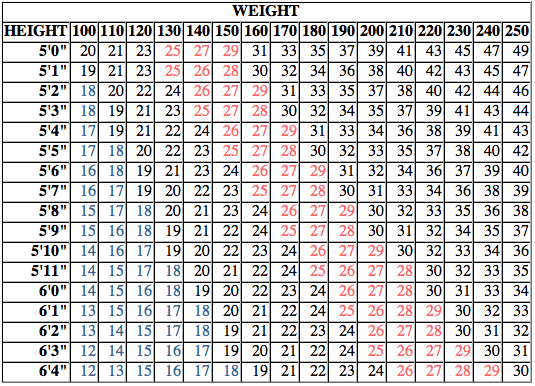
The Healthy BMI Range for Men and Women consists of what specific values?
For Women:
- Normal BMI: 18.5 – 24.9
- Women need to carry more body fat naturally than men.
- Pregnancy and hormonal factors can affect BMI readings.
For Men:
- Normal BMI: 18.5 – 24.9
- Men generally have higher muscle mass.
- Some men may look heavier than BMI standards suggest because their muscles are denser.
Through a BMI visualizer both men and women can observe realistic body shape comparisons at various BMI levels which helps them better understand their results.
What BMI Doesn’t Tell You
BMI functions as a valuable health indicator but fails to provide complete information regarding wellness.
- The measurement fails to determine the percentage of body fat present in a person.
- The measurement does not identify fat distribution patterns even though belly fat poses greater health risks than thigh fat.
- The measurement fails to evaluate muscle mass which causes athletes to display incorrect weight classifications.
- Age together with ethnicity receive no consideration from this measurement despite their impact on health risk assessment.
- The measurement cannot evaluate lifestyle factors such as nutritional habits and physical activity together with stress exposure.
This is where a body mass index visualizer makes a difference. By visually demonstrating how BMI corresponds to body appearance, it provides a more practical perspective.
Detailed Look at Body Mass Index Visualizer
A body mass index visualizer is an interactive digital tool that transforms the BMI calculation into a visual body representation. Instead of just seeing a number, users can:
- Input height, weight, age, and sometimes gender.
- View a visual model or silhouette representing their BMI.
- Compare their body with different BMI categories.
- Experiment by adjusting weight to see how BMI (and body shape) would change.
The Advantages of a BMI visualizer include:
- Better comprehension: It’s hard to grasp a concept like BMI in numeric form. Visuals may be easier to understand.
- Motivational trigger: Seeing what weight gain or loss actually looks like can trigger a better choice.
- Custom insights: Some tools provide females’ (& males) visualized BMI in a distinction way.
- Value for education: Teachers, doctors, and trainers use the visualizers to explain what BMI is in an easy way.
For instance, a person with a BMI of 30 will be shown a 3D figure model that represents what excess fat distribution looks like, as compared to a BMI of 22. It will allow people to put the numbers into proportions of the body.
In summary, the body mass index visualizer connects numbers with actual health awareness.
Why Use a Body Mass Index Visualizer?
Utilizing a BMI visualizer provides added context than a number in and of itself. It:
- Provides visual interpretation of what weighted results mean for BMI results.
- Allows people to make realistic goals about weight management.
- Can be used as an educational tool in schools, gyms and medical practice.
- Encourages self-awareness, rather than placing too much emphasis on medical terminology.
Having BMI presented visually provides people with a more concise and clearer picture of their health situation and enables them to decide what permanent lifestyle changes they can make to improve their health.
Conclusion
The body mass index (BMI) visualizer is not only a digital application; it is also a medium for connecting raw information with a real understanding. BMI, per se, is a useful measure for screening individuals for possible weight-related health issues, but its limitations are also well-established. The value of the visualizer is that it can show an individual how their weight and height look in real-life terms and helps the user to easier understand and apply BMI as a measure for their life.
BMI is one piece of information for both men and women but is not the whole picture. A full assessment of health considers lifestyles, BMI, a visual representation of health factors related to height and weight, and the advice of experts.
FAQ
1) What is a body mass index visualizer actually?
A body mass index visualizer is a tool, either online or digital, that offers a visual representation of your body type based on your body mass index score.
2) How does it work?
It utilizes your height and weight (and sometimes your age or affiliation with a specific gender) to create a picture or model that visually depicts where you fall into the category of body mass index.
3) Why use a body mass index visualizer over a calculator?
Since numbers tend to be abstract, the visualizer gives a more concrete understanding of how body mass index relates to body proportions.
4) Is a body mass index visualizer accurate?
It provides a good estimate of your body mass index, but it’s not going to replace medical assessments because it is unable to measure body fat percentage or health risks.
5) Can body mass index visualisers help me when it comes to weight loss goals?
Yes! BMI visualisers can be an effective motivational tool by allowing you to see how body composition varies at each body mass index.